

Avi’s Stories
Explore thoughtful therapy insights from Las Vegas-based Jewish therapist Avi Anderson, LMSW, on anxiety, OCD, relationships, sex addiction, and personal growth in this reflective mental health blog.

Sexual Intrusive Thoughts and OCD: Why You Keep Checking
Why doesn’t the answer stay answered? Understand sexual intrusive thoughts, Pure O, POCD, and how ERP addresses mental checking.

Is My Fetish Normal? Porn, Sexual Interests, and Shame
A specific sexual interest can be part of a healthy adult life. Therapy explores shame, consent, loss of control, and persistent doubt.

Low Sex Drive? How to Rebuild Sexual Desire, Arousal, and Intimacy
What happens when you love your partner but rarely feel in the mood for sex? Low sexual desire doesn't necessarily mean a loss of attraction or connection. For many people, desire develops through emotional closeness, physical touch, and arousal rather than appearing spontaneously. Explore what influences your sex drive, why pressure can make intimacy more difficult, and practical ways to rediscover pleasure, rebuild connection, and create space for desire to grow.

Intergenerational Trauma: How to Break Family PatternsWithout Blaming Your Parents
Families pass down more than genes. Learn how inherited patterns can shape anxiety, OCD, intimacy, and compulsive behavior, and how to begin breaking the cycle.
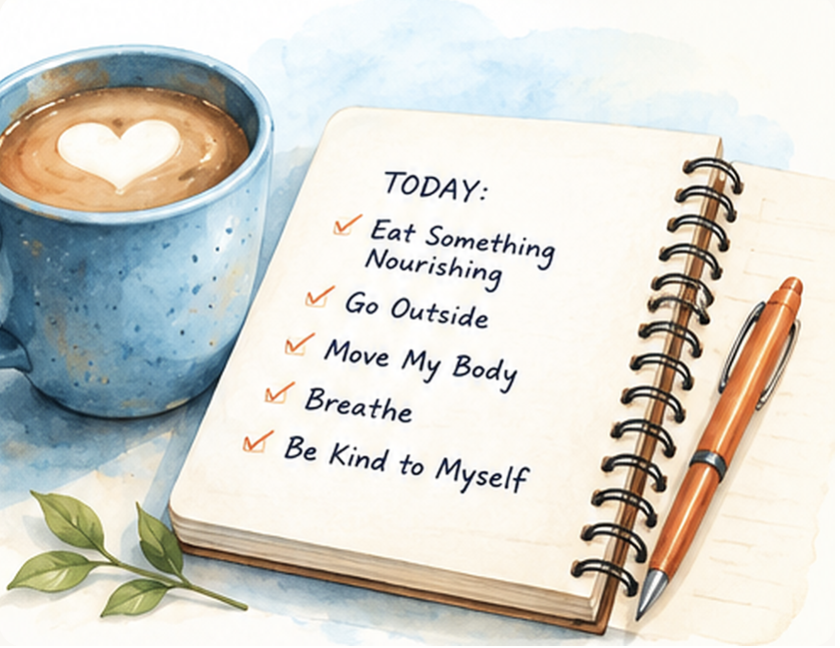
Trauma Recovery Isn't Just in Your Head: What Sleep, Food, and Your Body Have to Do With Healing
You can understand every trigger and still feel exhausted, wired, or physically off. Here is how to make your body a little less desperate while therapy does the deeper work.

The Four-Word Text That Hijacked Her Body: A Raw Look at Trauma Parts Work
Trauma doesn’t always look like a flashback. Sometimes it’s panic after a text, sudden shutdown, or a harsh inner voice taking over. Learn how trauma parts work can help you understand these protective responses, build internal safety, and regain choice.

Betrayal Trauma: How to Heal After Trust Is Shattered
Betrayal can shatter more than trust in another person—it can leave you questioning your own perceptions, instincts, and sense of safety. Learn how betrayal trauma affects the mind and body, and how healing can rebuild clarity, boundaries, and self-trust.

The Trauma of Endings: Why Breakups and Divorce Hurt So Much
A breakup or divorce ends a relationship, but the attachment, grief, and future you imagined don’t disappear overnight. Learn why endings can feel traumatic—and how to create closure, reclaim your identity, and begin again.

Sex After Trauma: A Practical Guide to PTSD and Intimacy
Sexual trauma can leave the mind knowing you’re safe while the body still sounds the alarm. Learn practical, trauma-informed ways to rebuild safety, choice, connection, and intimacy after trauma.

The Biology of Trauma: Why the Body Keeps the Score - and How Healing Happens
You can know the danger is over and still feel it in your chest, stomach, sleep, and relationships. That is not weakness. It is a nervous system using an old map.

Porn, Fetishes, and Compulsive Sexual Behavior: Why Fighting the Urge Is Not Enough
You can understand the behavior, hate the consequences, and still feel pulled toward it. Effective treatment does more than tell you to stop.

A Quieter Life: Healing After Tragedy and Putting First Things First
A recent tragedy forced me to ask a hard question: am I living what I say matters, or giving my best energy to whatever is loudest?

Discernment Counseling: What Actually Helps When One Partner Wants Out and One Wants to Stay
Discernment counseling is a short-term process focused on one goal.
Clarity.

Digital Infidelity and Secret Relationships: How Modern “Invisible Betrayals” Quietly Destroy Marriages — And What to Do Before It’s Too Late
Most couples still think of infidelity as physical. Today, the more common threat is quieter, harder to name, and often more damaging.
Digital infidelity.
It rarely starts with intent. It starts with a connection that feels harmless. Then comes secrecy. Then emotional reliance on someone outside the marriage. By the time it becomes obvious, the relationship has already been eroding for months, sometimes years.

Stop Using IFS as a Coping Skill: The Biggest Mistake People Make in Internal Family Systems Therapy
People are turning IFS into another coping skill. And that completely misses the point. In fact, when people seek coping skills for anxiety and OCD and IFS is used this way, it can actually keep them stuck.

Why Most Therapy Makes OCD Worse (And Why ERP Is The Only Thing That Actually Works)
If you have OCD, there is a brutal truth that almost nobody tells you. Most therapy will make your OCD worse.
Not because therapists are bad people.
Not because they do not care.
But because OCD is a very specific disorder, and if you treat it like regular anxiety, trauma, or relationship stress, you will accidentally feed the monster.

When Secrets Spill: Porn Addiction, Secrecy, and the Cost to Marriage
Porn addiction rarely announces itself loudly. More often, it grows quietly, behind locked phones, private browsers, and late night habits, until secrecy and disconnection begin to erode trust in a marriage. What follows is not just conflict about porn. It becomes a crisis of safety, intimacy, and honesty.

When Do You Know Your Marriage Is Over?
Plenty of marriages are difficult and still worth fighting for. Kids, stress, money, illness, sex, exhaustion, unresolved family issues — all of these can pull couples apart and still be repaired with good counseling.
But there is a line most people feel long before they admit it.

Therapy for Therapists
There is a simple human truth that shows up again and again in this work:
You cannot fully untangle yourself from the inside.

Religious Trauma Syndrome (RTS): When Faith Hurts and How It Can Heal
Many people come to therapy saying something like this: “I don’t know if I believe anymore, but I also can’t let go.”
They aren’t rejecting faith. They’re reacting to pain.